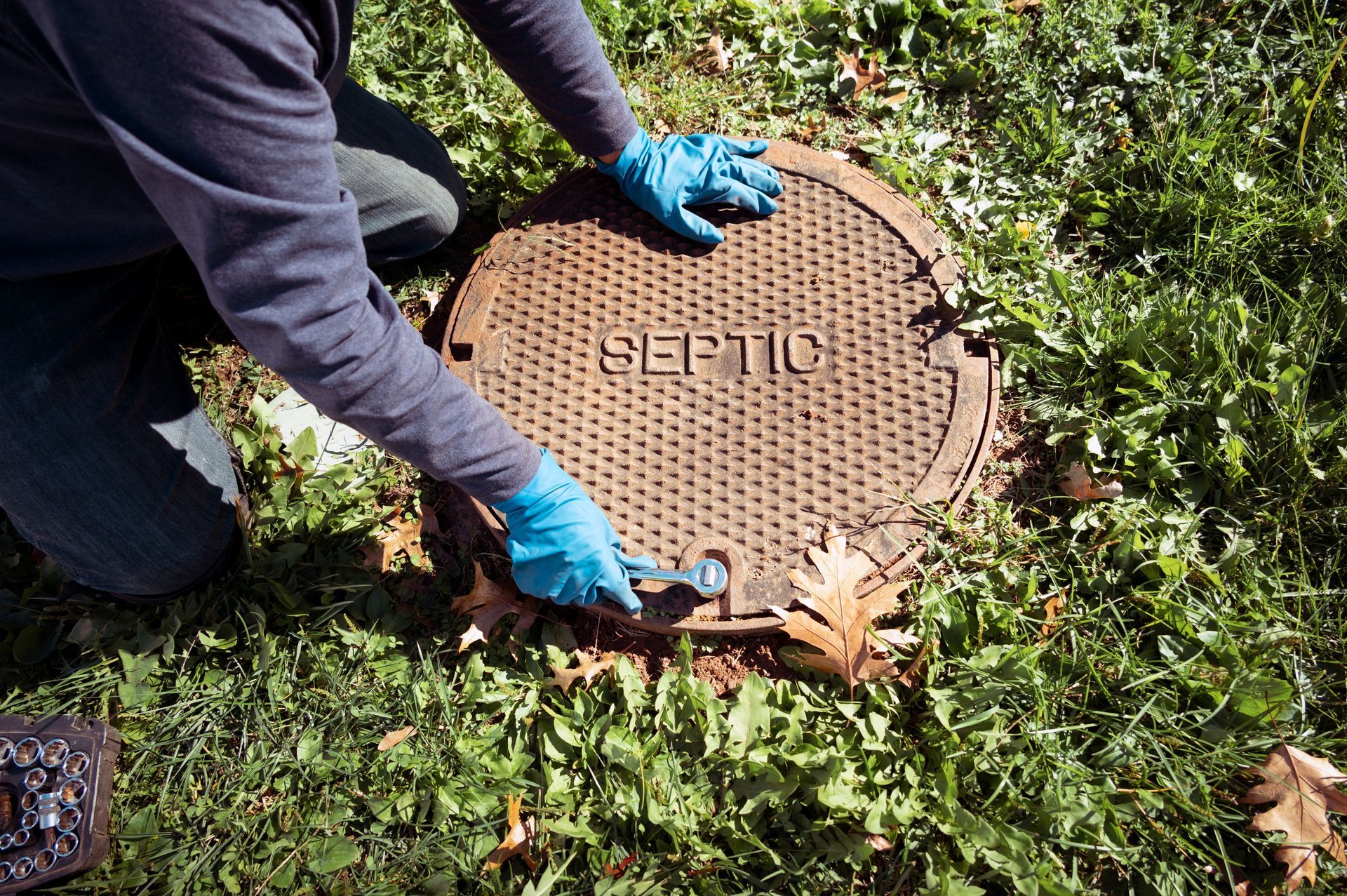
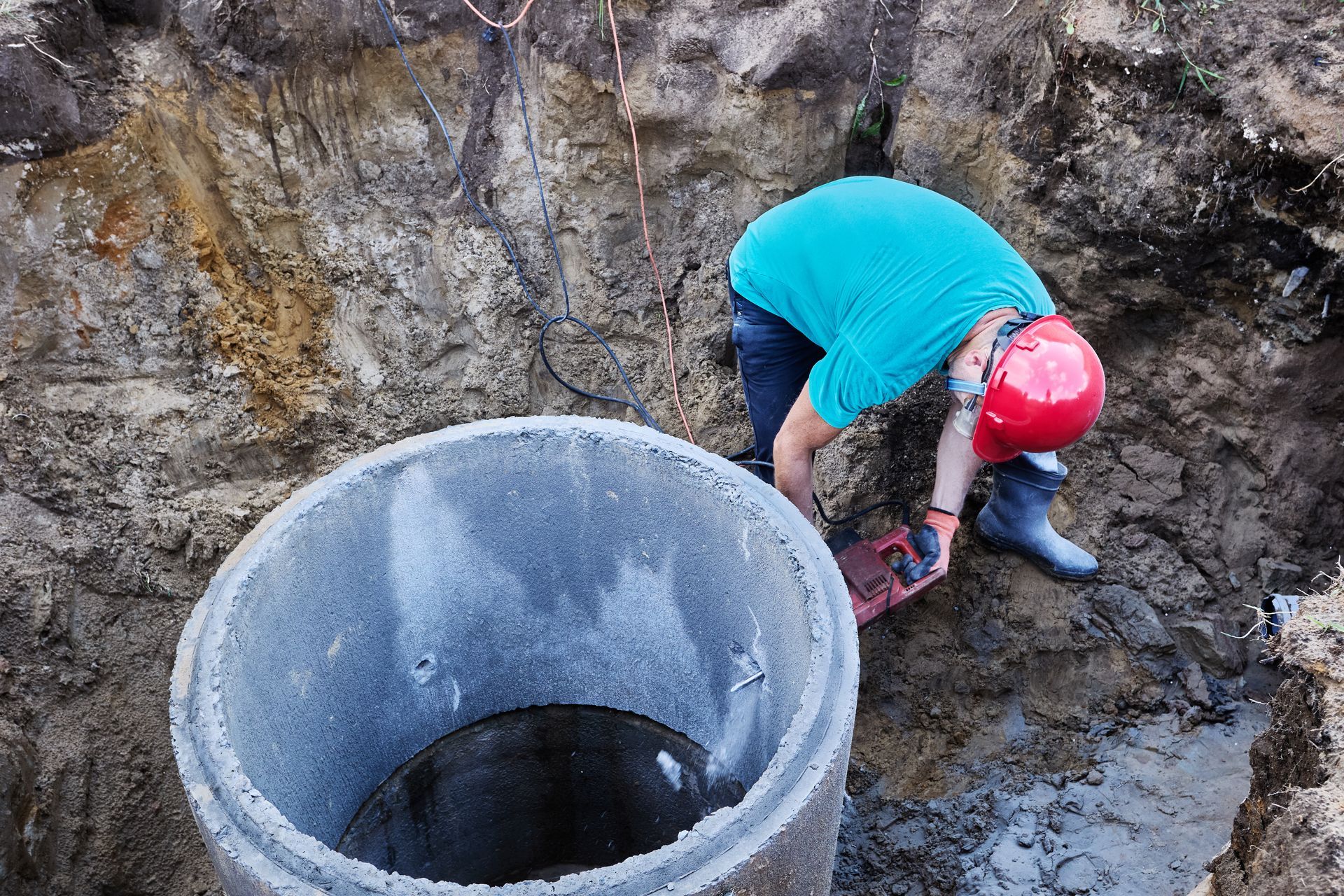
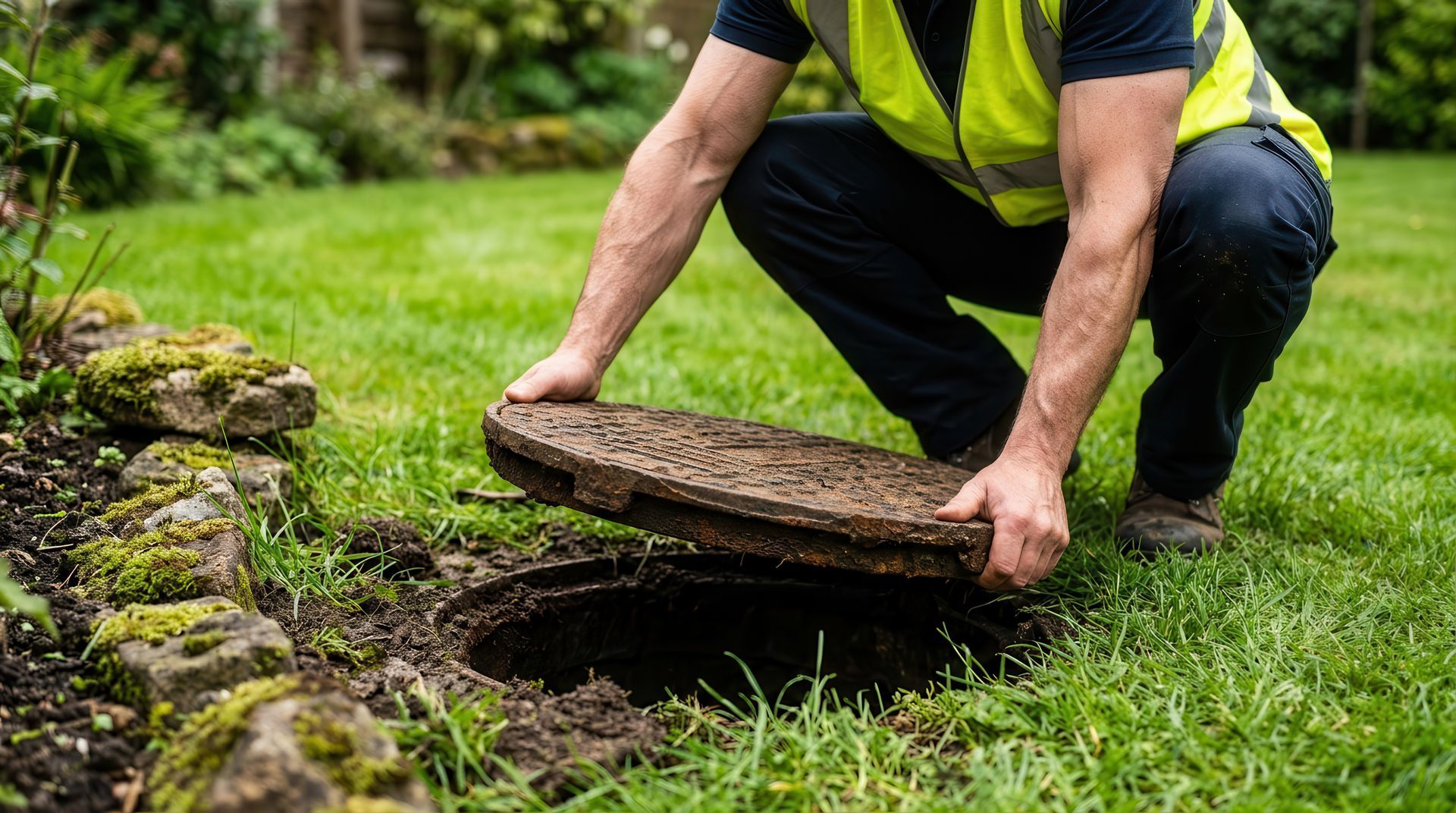
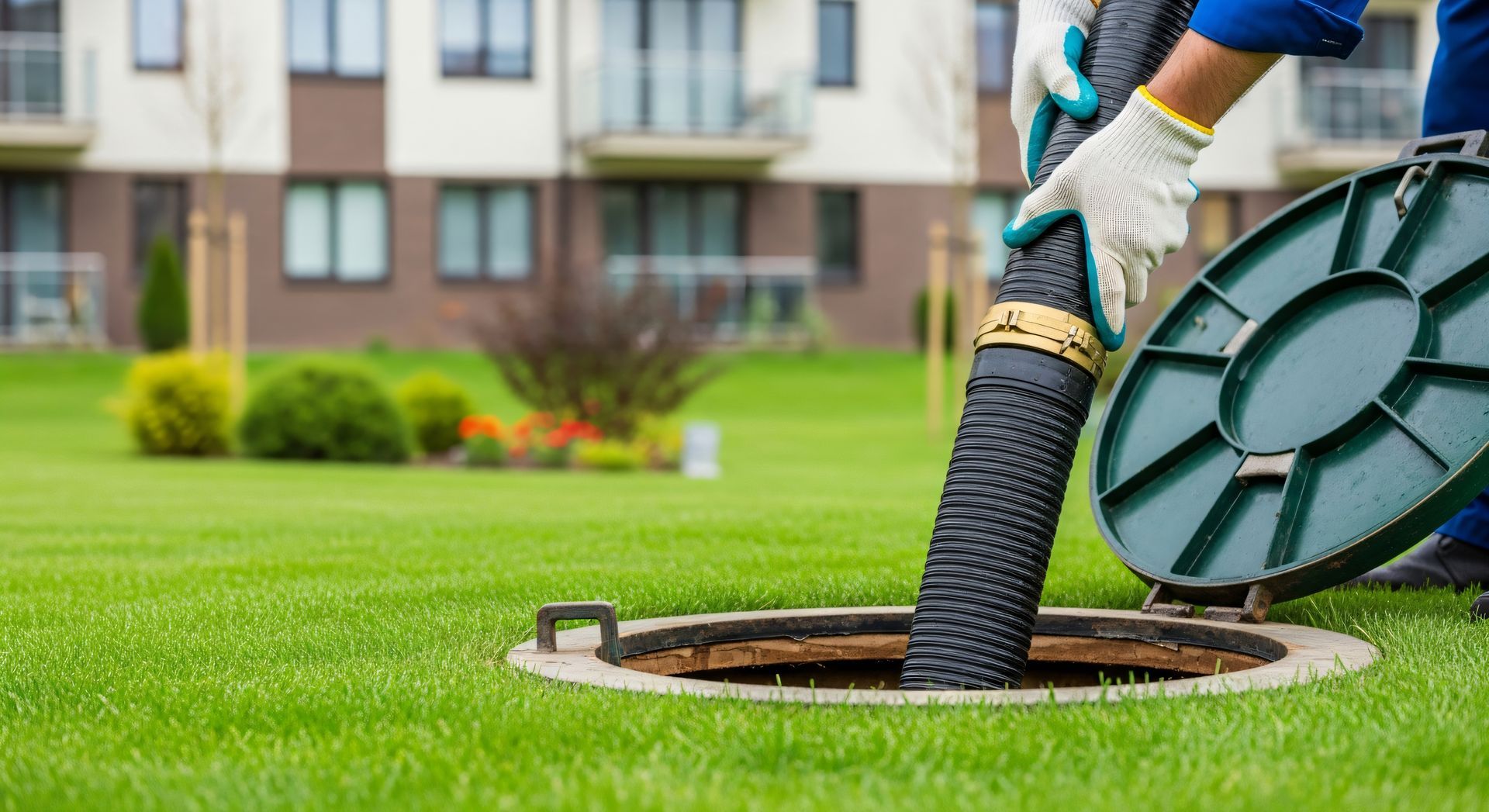
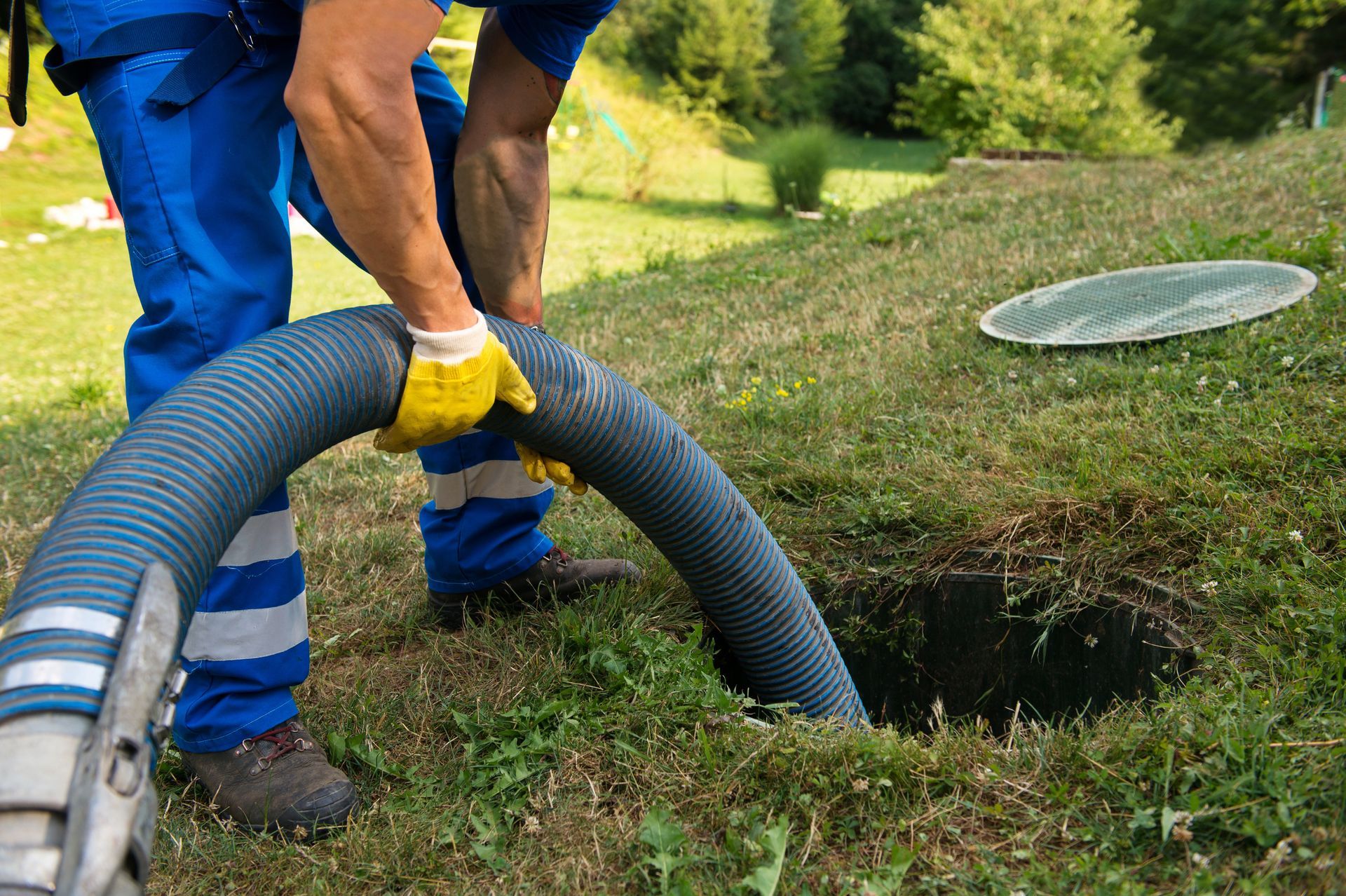
Septic Tank Pumping in Millsboro, DE, is a routine maintenance task many homeowners confuse with a full septic cleaning, and understanding the difference can protect your system and save you money. This guide breaks down both services, explains when each is appropriate, and covers what Sussex County soil conditions and Delaware regulations mean for you.
Pumping vs. Cleaning: What Is the Actual Difference?
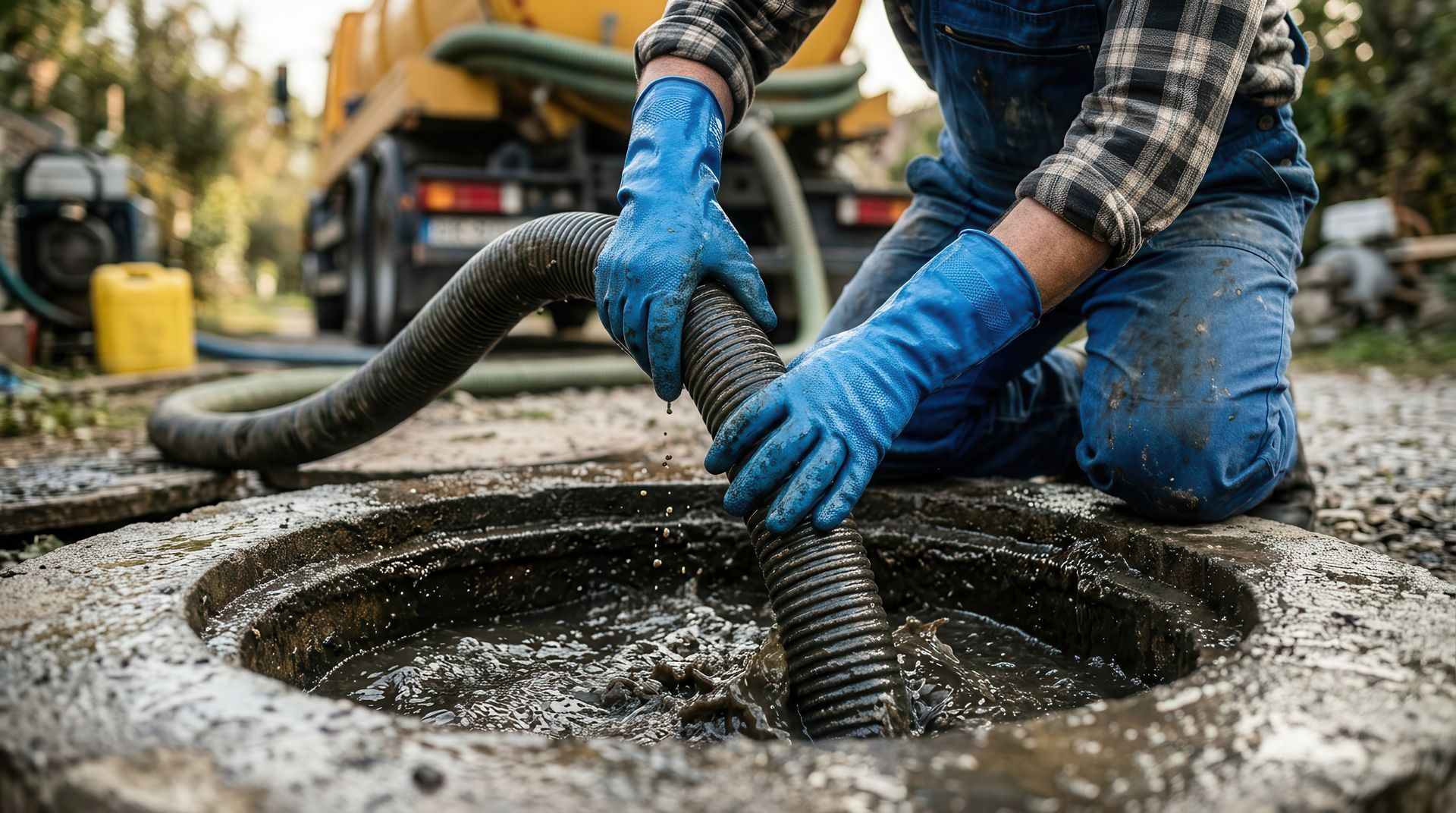
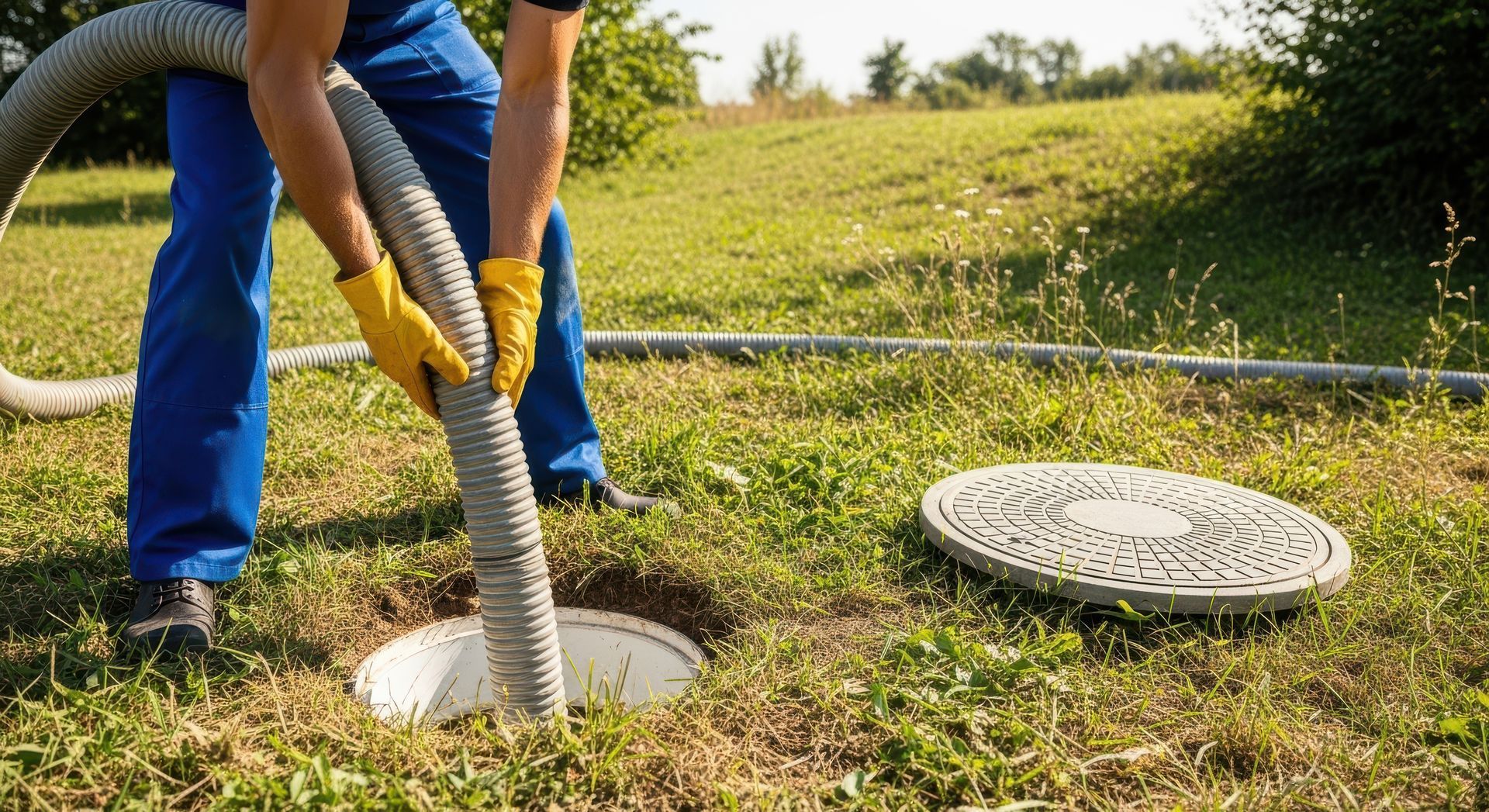
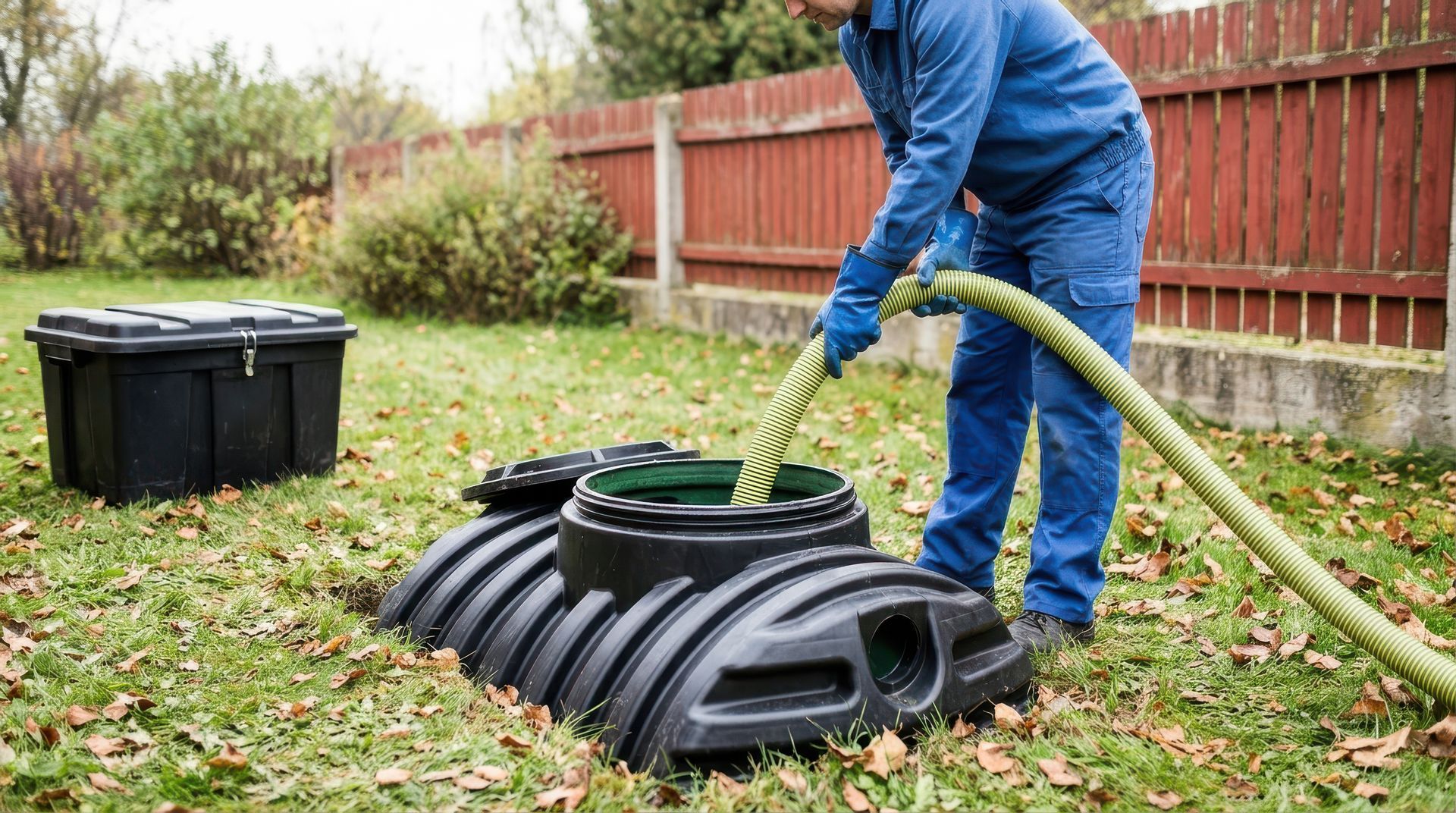
Septic tank pumping removes the liquid and floating scum layer from your tank using a vacuum hose. A full septic cleaning goes further, agitating and removing hardened sludge that settles at the bottom, not just liquid waste above it.
Think of pumping as emptying a glass and cleaning as scrubbing it afterward. If a technician only pumps without addressing built-up sludge, solids accumulate over time and can push waste into your drain field, which is costly to fix.
Delaware's regulations under 7 DE Admin Code 7101 address this directly. DNREC requires that during a septic tank cleaning, all liquid, solid, and semi-solid material be removed, and cleaning procedures must include agitating all solids after lowering the liquid level to 12 inches below the outlet. That standard goes beyond a basic pump-out.
How Often Should Millsboro Homeowners Schedule Each Service?
DNREC recommends having your septic tank pumped by a licensed Class F liquid waste hauler at least every three years. However, that baseline may not be enough for every property.
Depending on family size, wastewater volume, system age, or garbage disposal use, you may need septic tank pumping service every one to two years. A full cleaning, where sludge is thoroughly agitated and removed, is typically recommended every three to five years. Your contractor can measure sludge depth during a pump-out and advise when a deeper cleaning is due.
Why Millsboro's Soil Conditions Change the Equation
Sussex County's sandy soils, flat terrain, and shallow water table make staying on schedule especially important. Properties near Indian River, Long Neck Road, and the Millsboro Pond area may face higher groundwater during wet seasons, pushing designs toward mound or pressure-dosed systems.
Sandy soils drain quickly, but fast drainage is not always ideal. In some locations, wastewater moves through the soil too rapidly, while groundwater stays near the surface year-round and rises further during wet periods. When groundwater is high, an overloaded or neglected tank can back up faster than homeowners expect.
Seasonal use also matters. Summer months bring higher loads from vacation rentals and visiting family, making late-spring pumping and inspection a common recommendation for Sussex County properties.
What Delaware Law Requires You to Know
Delaware requires that septic work be performed by licensed professionals. A Class F liquid waste hauler license is required for pumping, including removal of waste from cesspools and transportation or disposal of tank contents.
Delaware regulations also require all properties with an on-site wastewater treatment and disposal system that are sold or otherwise have a transfer of ownership to have the system pumped out and inspected by a Class F and Class H licensee before the sale is complete. If you plan to sell your Millsboro home, scheduling septic tank pumping and an inspection in advance is a smart move.
Always ask for documentation when service is completed. DNREC recommends keeping detailed records of all maintenance, inspections, repairs, and receipts from all pumping of your system.