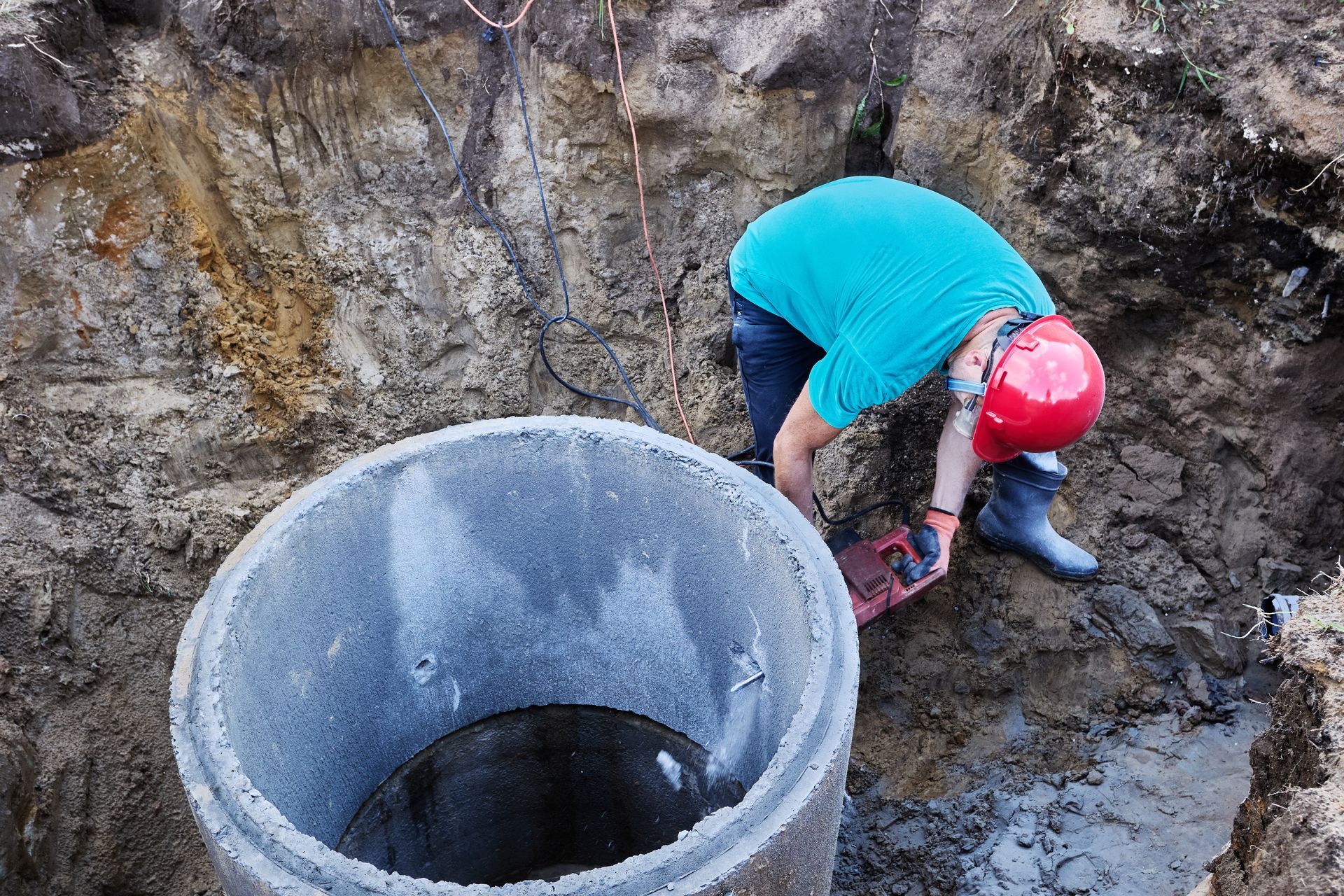
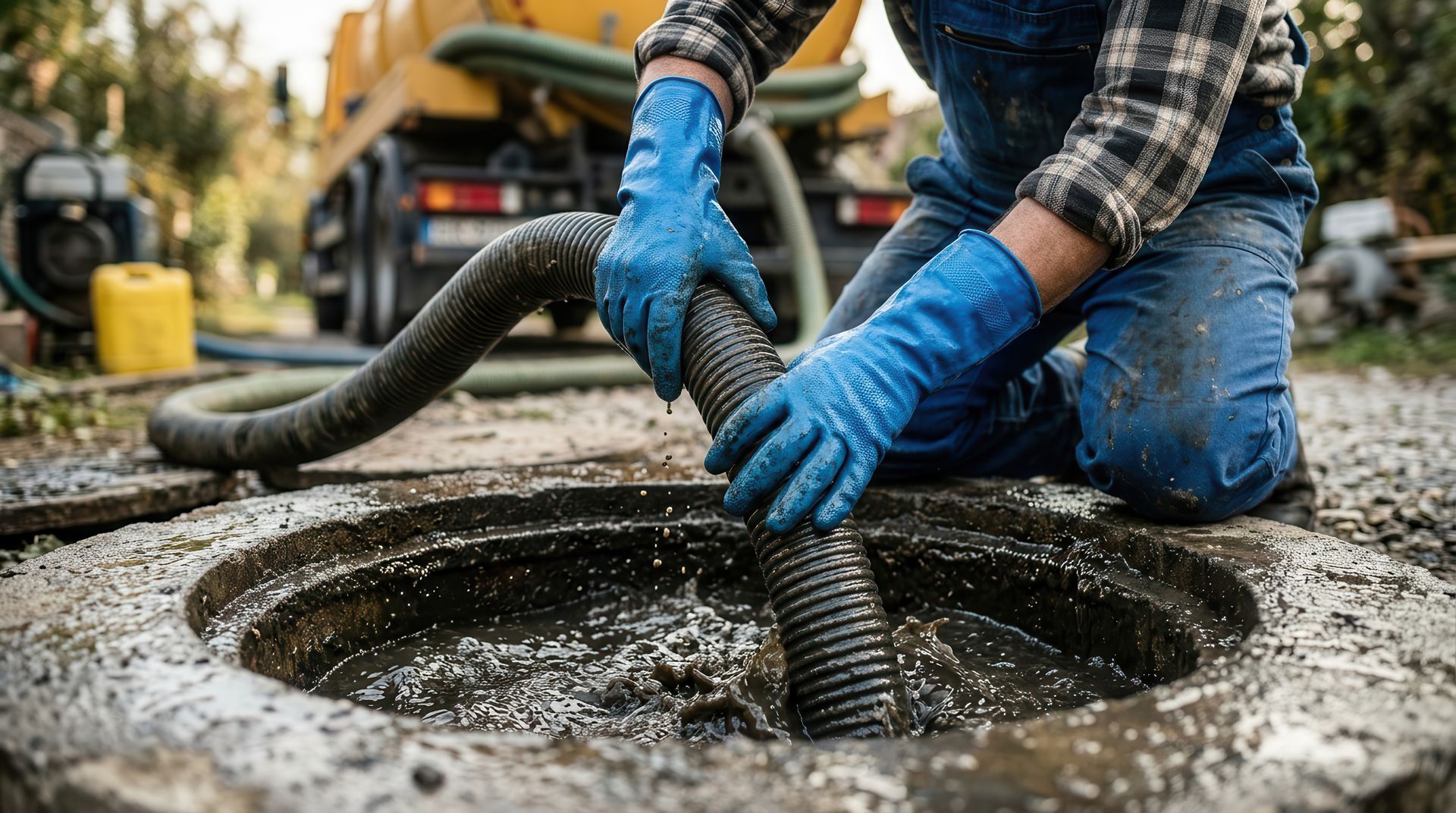
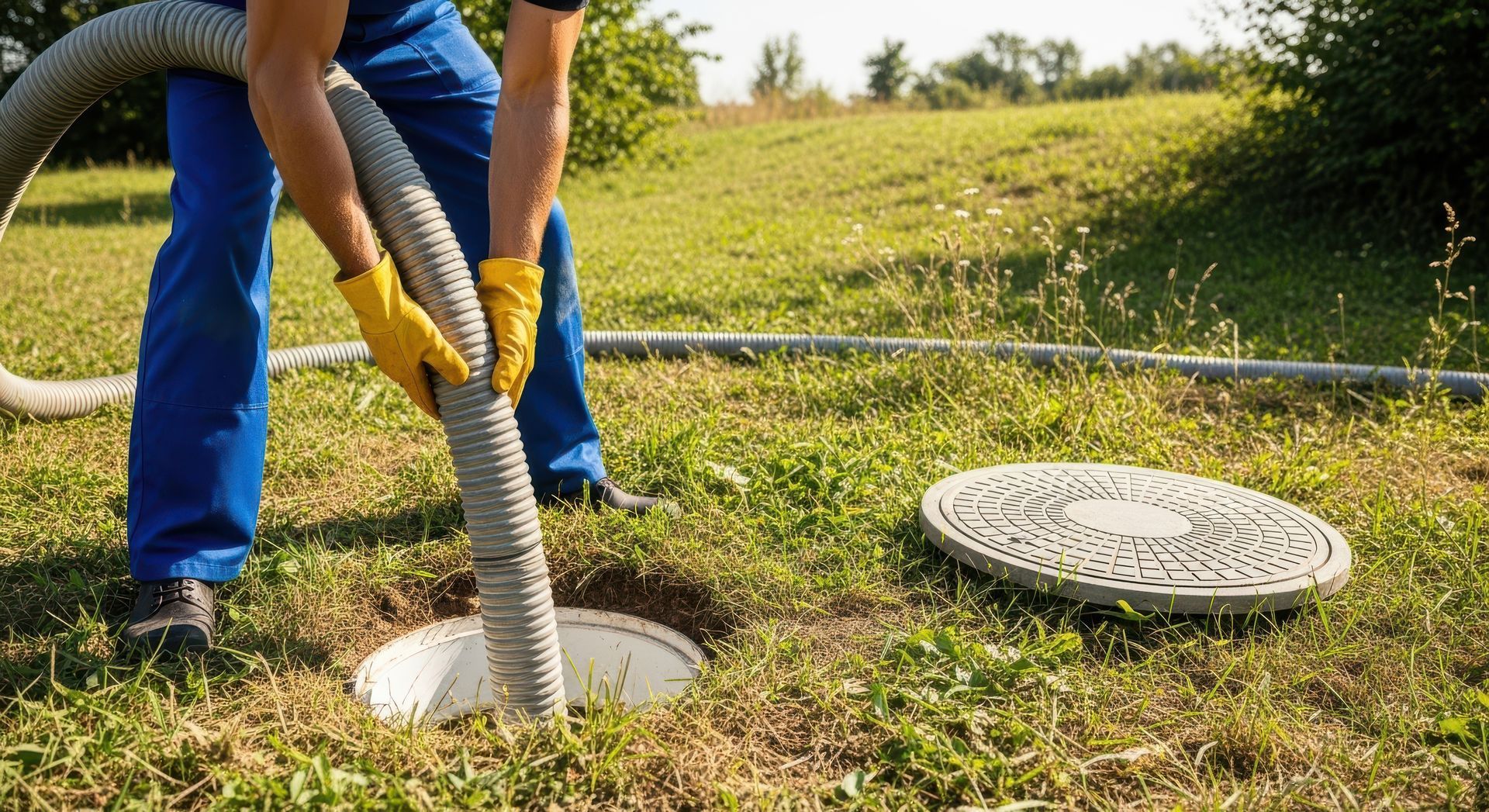
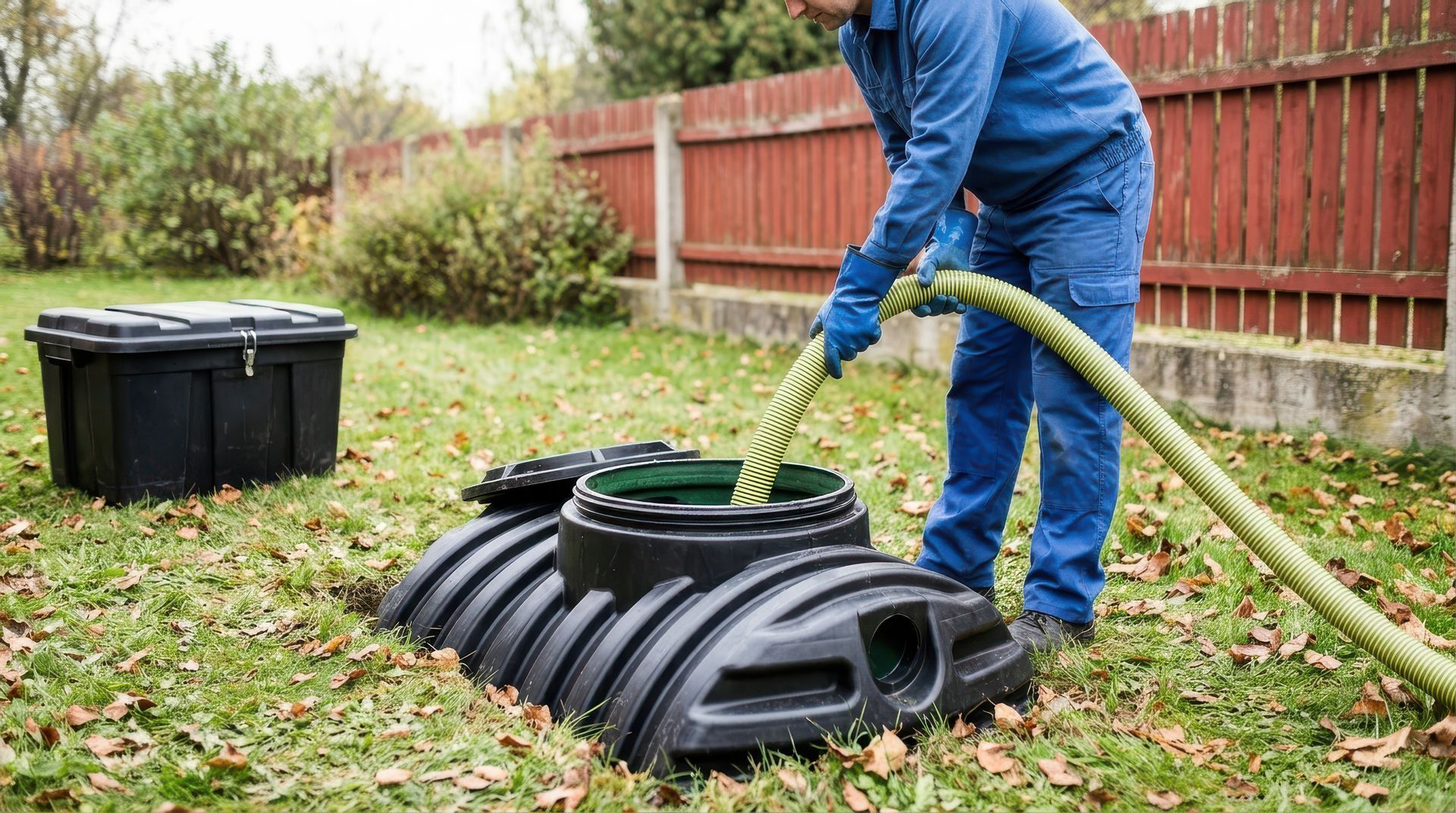
Homeowners in coastal Sussex County, DE, face a challenge that inland properties rarely encounter: a water table so close to the surface that it can quietly undermine your septic system year-round. Septic system maintenance in Ocean View, DE, requires understanding why the ground beneath your property behaves differently than it does just a few miles west toward Georgetown or Selbyville. This guide explains what happens when groundwater rises too high, what warning signs to watch for, and how to protect your system.
Why Coastal Sussex County Has a High-Water Table
Ocean View, DE, sits at just 13 feet above sea level, bordered by the Assawoman Canal to the east and Bethany Beach to the northeast. The sandy, low-lying soils throughout this part of Sussex County drain slowly and hold moisture close to the surface. Seasonal rainfall, storm surge, and proximity to Indian River Bay all contribute to groundwater levels that rise significantly, particularly in late winter and early spring.
A conventional septic system depends on the soil beneath the drain field to absorb and naturally treat wastewater. When the water table rises and saturates that soil, there is no place for effluent to go. The treatment process slows or stops entirely.
How a High-Water Table Damages Your Drain Field
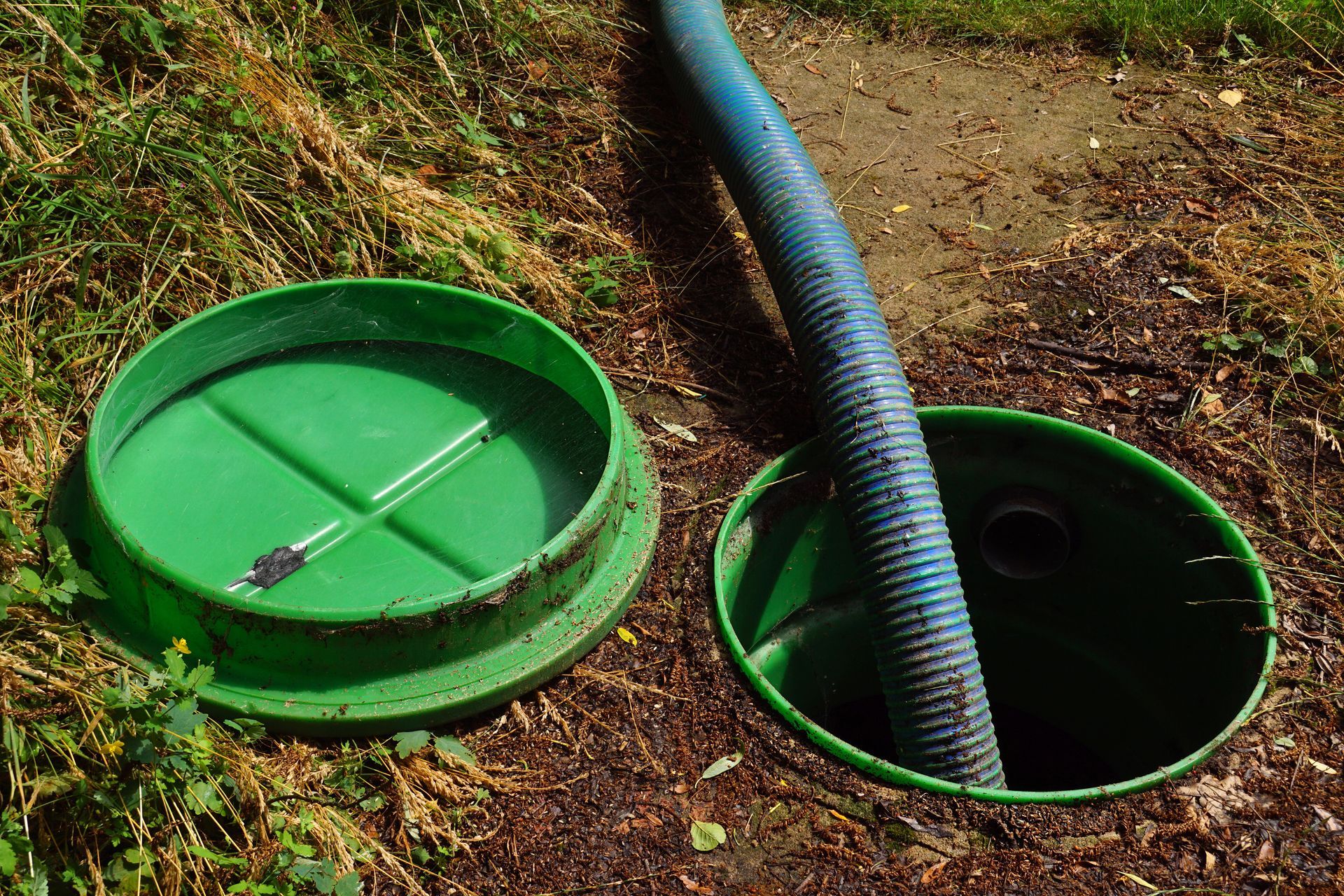
A saturated drain field is one of the most common problems facing Ocean View homeowners. Groundwater can push back into drain field trenches, leaving treated wastewater with nowhere to disperse. In more severe cases, groundwater can infiltrate the septic tank itself through the inlet and outlet pipes or the tank cover.
Warning signs include slow or gurgling drains, wet or spongy patches of grass over the drain field, sewage odors near the yard, toilets that flush slowly or back up without a clear blockage, and standing water that lingers well after a rainstorm. These symptoms often worsen during wet seasons and are more common in lower-lying sections of Ocean View, Bethany Beach, and Millville.
Why Pumping Frequency May Need to Increase
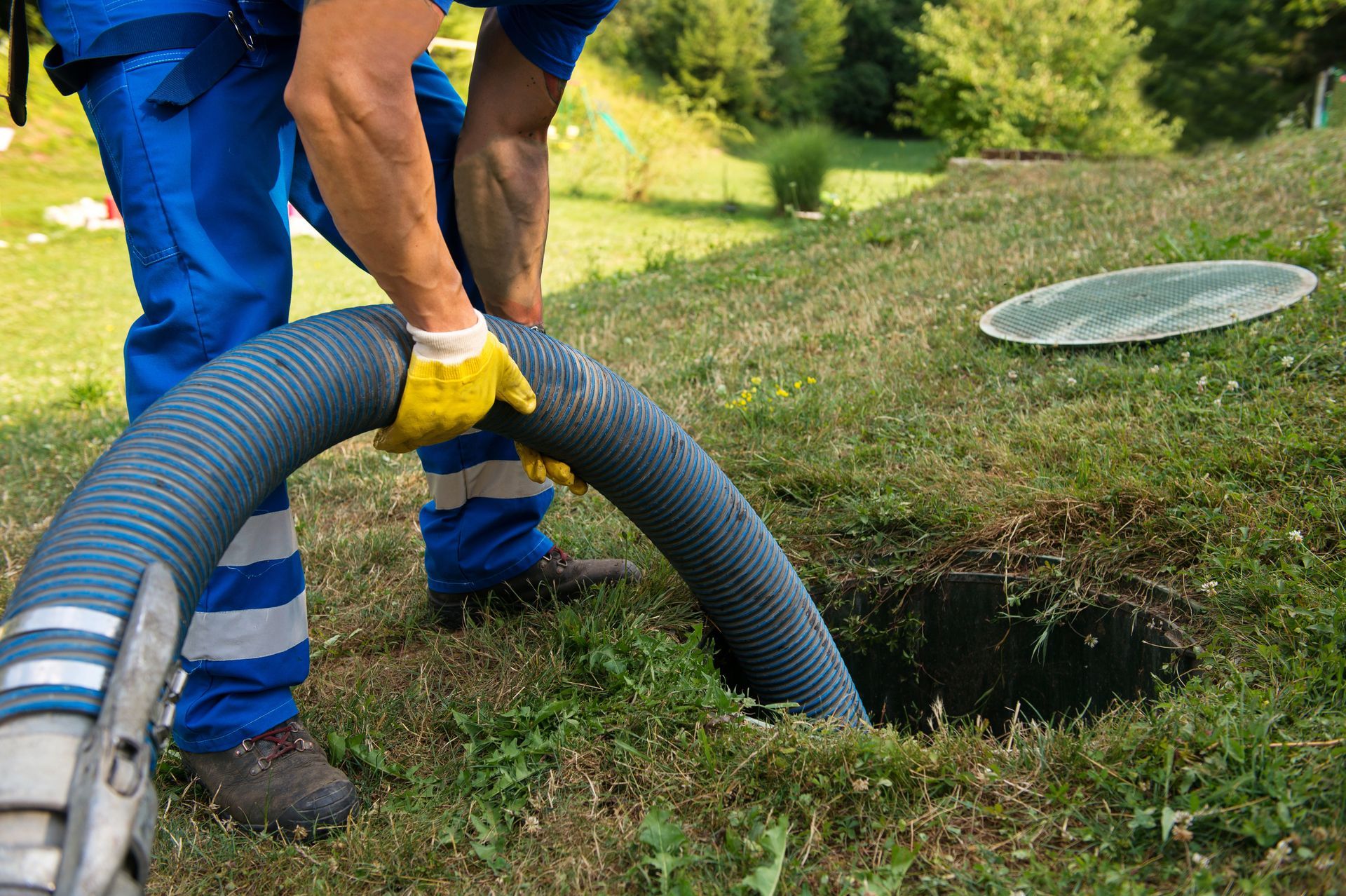
Coastal properties often require more frequent septic tank pumping than the general guideline of every three to five years. When groundwater saturates the drain field and reduces its capacity to accept effluent, the tank fills more quickly. More frequent pumping can relieve pressure on the system and reduce backup risk. Septic system maintenance in Ocean View, DE, means working with a qualified technician to set a pumping schedule based on your property and lot elevation rather than a generic timetable.
DNREC Design Requirements for Coastal Properties
DNREC governs all septic work in Delaware. Before any new system can be permitted, a licensed Class D soil scientist must evaluate the site, assessing soil geology, water permeation rates, and local topography. This is especially important near the Inland Bays and surrounding waterways.
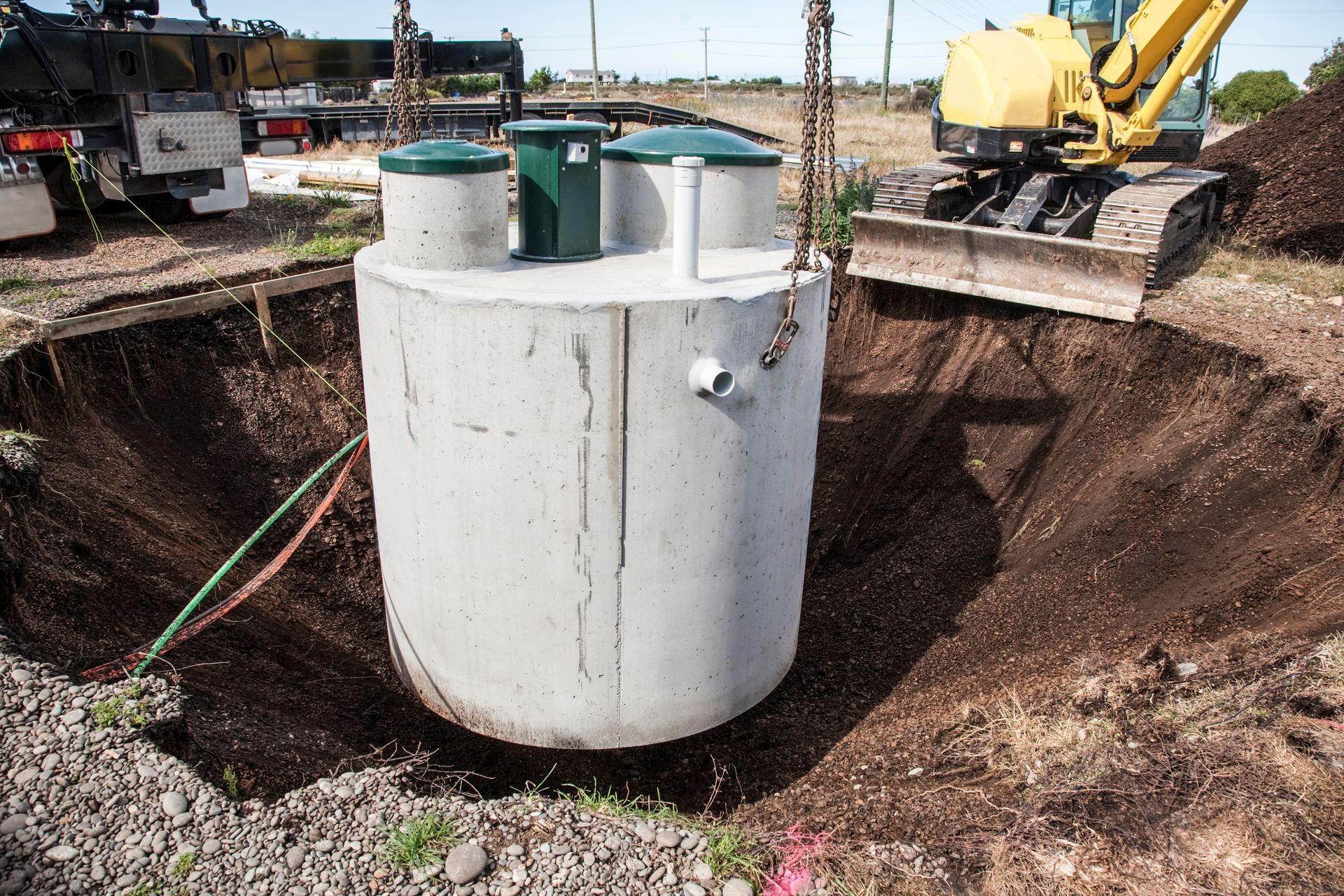
Where the water table is too high for a conventional gravity-fed system, DNREC may require an alternative design. Delaware regulations define an elevated sand mound as a system maintaining a minimum 36 inches of separation above the limiting zone, with wastewater pressurized into suitable fill material constructed above existing grade. Properties in the Inland Bays watershed, which includes much of the Ocean View area, may also require Innovative and Alternative (I/A) systems such as peat biofilters or micro-irrigation drip systems. These carry additional maintenance obligations and typically require a certified Operation and Maintenance provider.
Maintenance Adaptations That Help Coastal Septic Systems Last Longer
Septic system maintenance in Ocean View, DE, benefits from a few practical adaptations suited to coastal groundwater conditions. Schedule
drain field evaluations annually rather than waiting for problems to appear. Reduce household water usage during heavy rainfall events, when the water table is likely at its highest. Keep roof gutters and downspouts directed away from the drain field. Avoid parking vehicles or placing heavy objects over the drain field, which compacts soil and reduces drainage capacity. Plant only shallow-rooted grass over the drain field, since deep-rooted plants and trees can damage distribution pipes. Have the tank pumped on a schedule adjusted for your property's groundwater exposure. If your system includes a pump, timer, or advanced treatment unit, those components may require periodic inspection by a certified provider.
Frequently Asked Questions