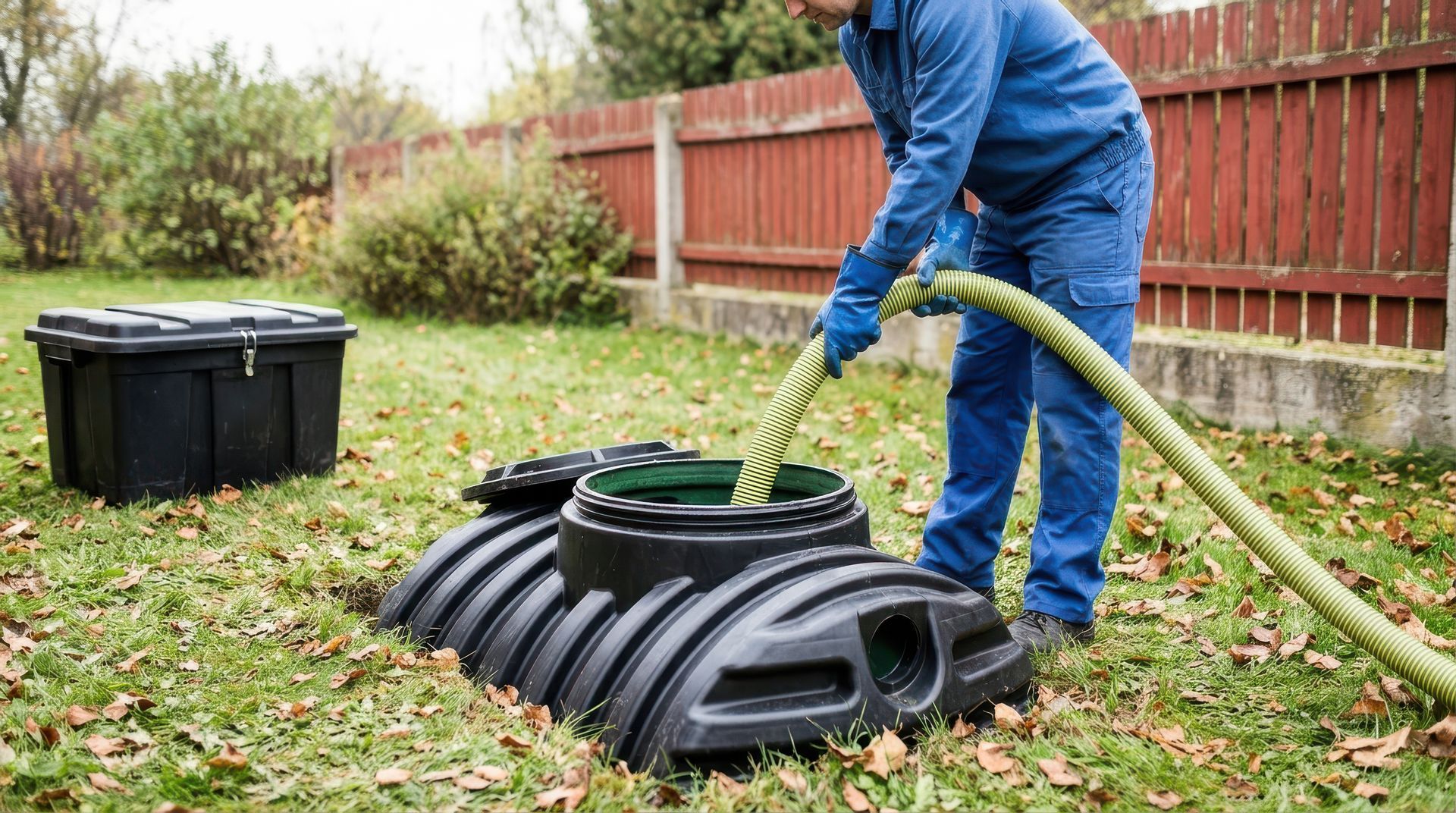
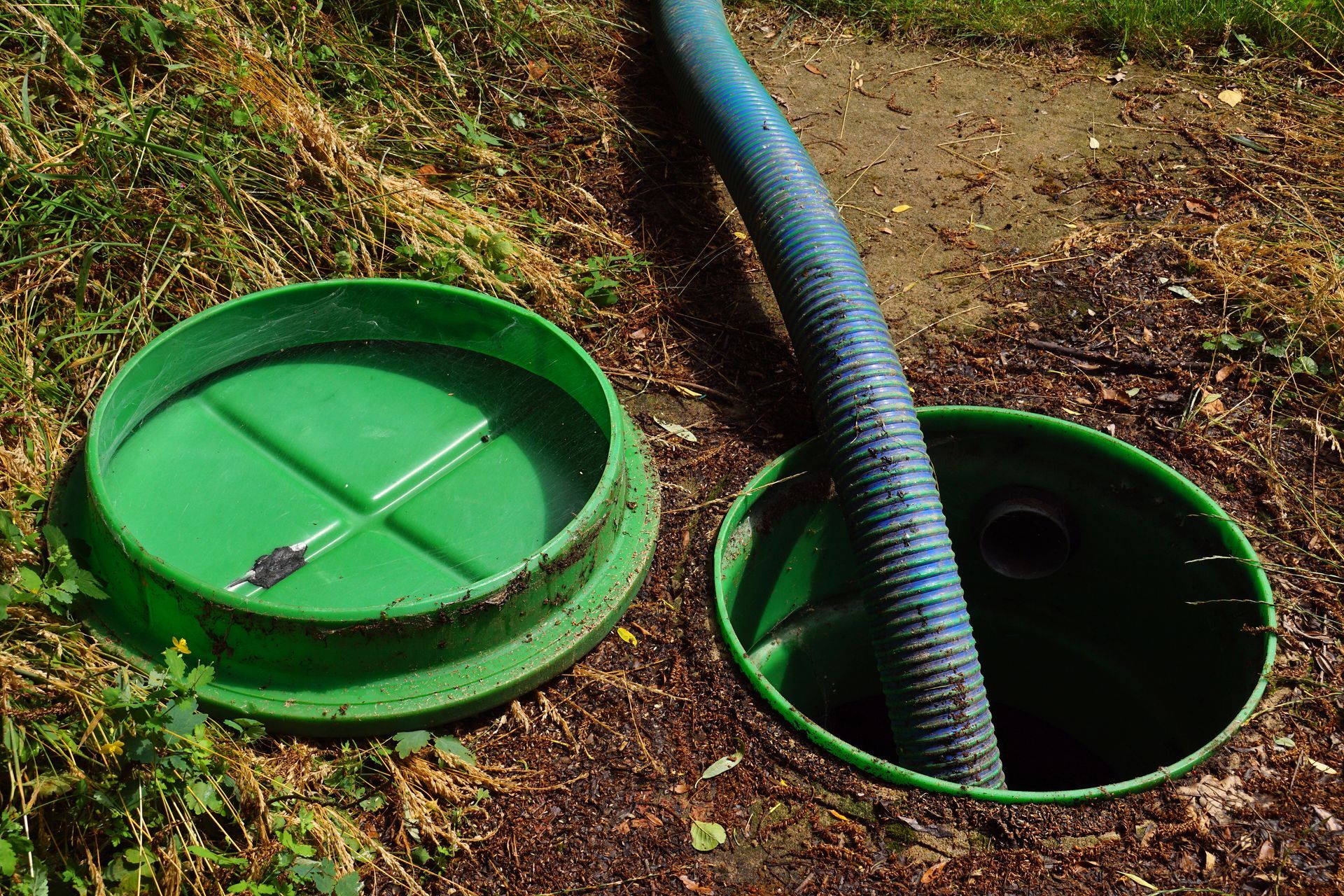
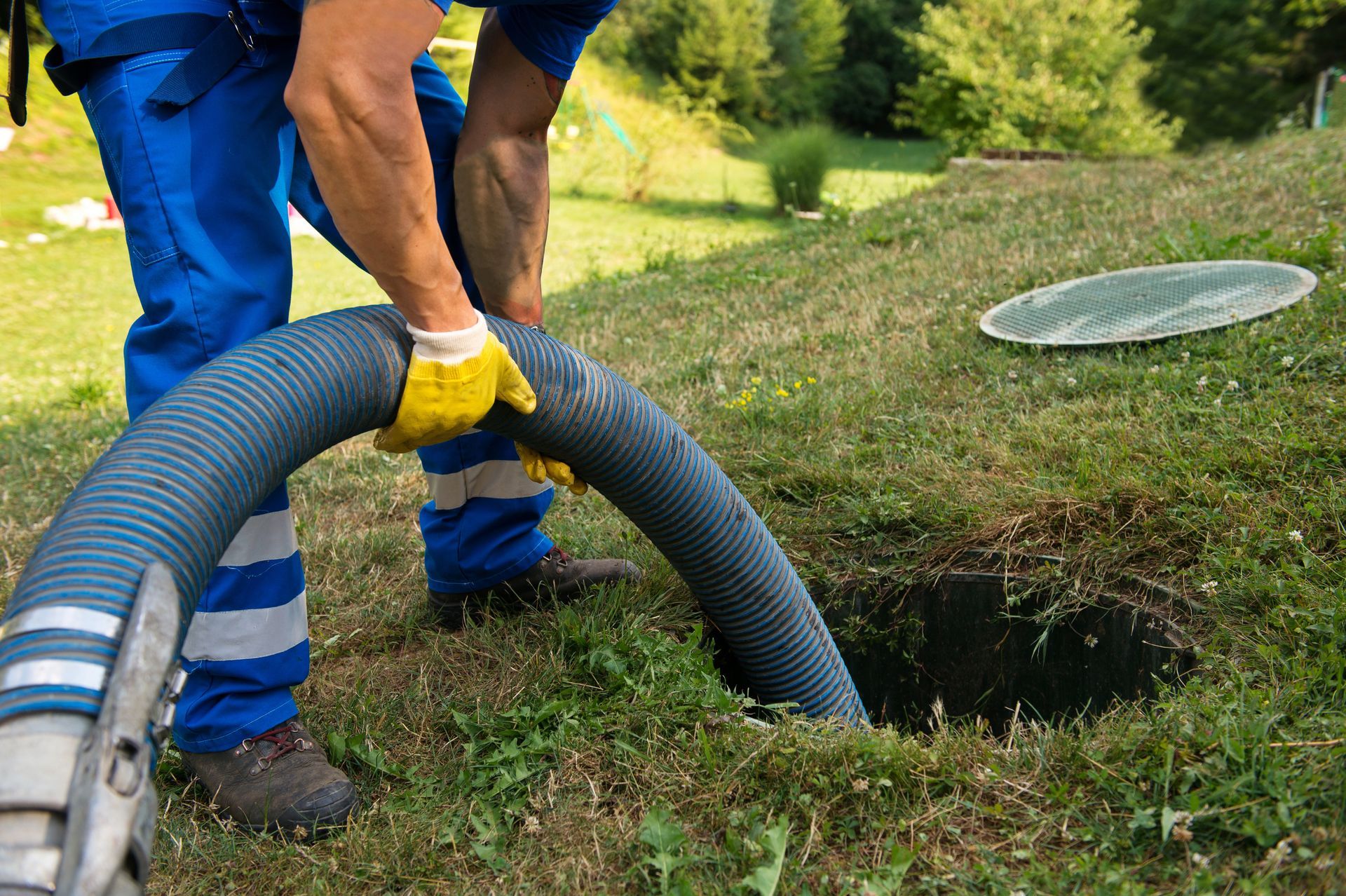
Properties near Millsboro, DE, and throughout Sussex County often face one of the most challenging conditions for septic work: a high water table. Choosing the right septic system installation for these lots can mean the difference between a system that lasts decades and one that fails within years. Understanding your septic system installation options before contacting a designer saves time and helps you ask the right questions. This guide explains which system types may be appropriate, how Delaware's DNREC evaluation process works, and why local terrain matters so much in this part of the state.
Why High Water Tables Make Septic System Installation More Complex in Millsboro, DE
High water table conditions change what DNREC can approve for your property. A regulated minimum vertical separation must exist between the bottom of the drainfield and the seasonal high water table. If a property's water table rises too close to the surface during wet seasons, a conventional gravity drainfield cannot maintain that required separation.
Delaware's soils are mostly sandy loams and sands, with high water tables common in Sussex County and near the Inland Bays. Communities like Millsboro, Long Neck, and the Indian River Bay area sit within this coastal plain, where seasonal groundwater levels can be particularly shallow. That geology is what drives DNREC to require alternative system designs on many Sussex County lots.
Soil percolation testing and soil morphology evaluation conducted by DNREC-certified soil scientists determine which system type is appropriate for a given parcel.
What Septic System Types Does DNREC Approve for High Water Table Sites?
Site evaluation results determine which system type is permitted. Delaware DNREC approves several types based on soil percolation rates, water table depth, and lot conditions.
A conventional gravity system uses natural slope to move effluent to the drainfield and works well on lots with suitable soil depth but is not always viable on low-lying Millsboro-area properties. A low-pressure pipe (LPP) system uses a small pump to distribute effluent evenly, often selected when soils have moderate limitations. A mound system raises the drainfield above natural grade using imported fill, common on Sussex County lots with shallow water tables or poor-draining soils. A pressure-dosed system uses timed pumping doses to improve treatment and can be permitted on more challenging sites but requires ongoing maintenance. Each of these septic system installation approaches carries different cost, maintenance, and permitting implications.
Mound Systems
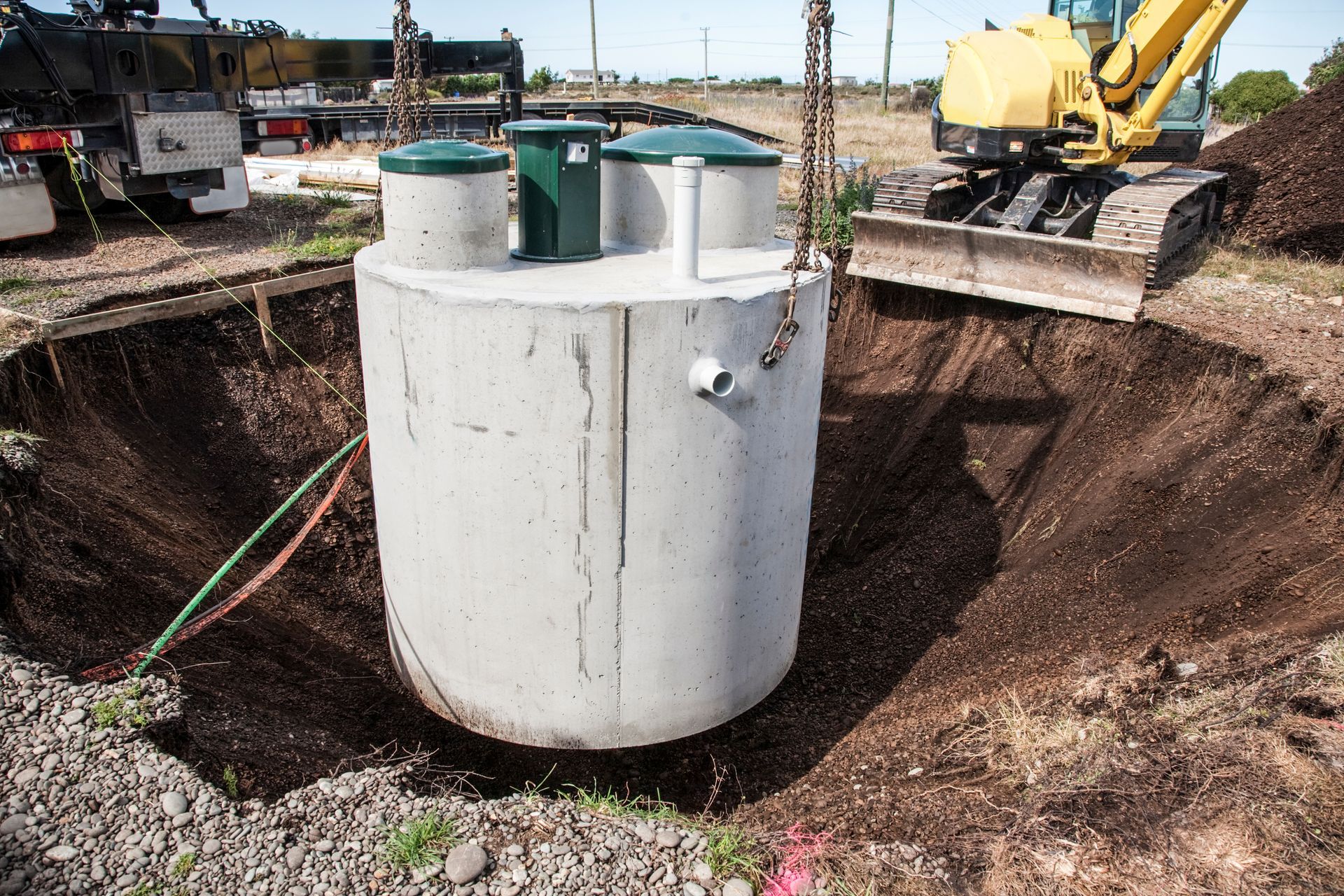
A mound system may be required when water table depth prevents burial of a conventional drainfield. An Elevated Sand Mound (ESM) maintains a minimum of 36 inches of separation distance above the limiting zone, pressurizing wastewater into suitable fill material constructed above existing grade. Mound systems require a pump, a pump tank, and associated controls in addition to the septic tank, meaning more components to monitor compared to gravity systems.
Drip Irrigation and Innovative/Alternative Systems
Some properties near the Indian River watershed may require more advanced treatment. Innovative and alternative (I/A) systems are required in the Inland Bays and Nanticoke River watersheds in Sussex County. Examples include peat biofilter, micro-irrigation (drip), and pretreatment systems approved by DNREC. Drip systems disperse effluent through shallow tubing just below the soil surface, which can work well where traditional trenching is not possible. Common alternative systems in Delaware also include aerobic treatment units and pressure-dosed drainfields.
Conventional Gravity Systems
On some Millsboro-area lots, a conventional system may still be viable. Sussex County has the highest OWTS density in the state, and sandy coastal-plain soils can work well for conventional septic where conditions allow. A licensed Class D soil scientist must confirm that adequate soil depth and separation exist before DNREC will approve this approach. When conditions do allow it, this septic system installation type remains the most straightforward and cost-effective option.
How the DNREC Site Evaluation Process Works
Getting a new septic system approved in Delaware involves three steps. First, a licensed Class D soil scientist performs a site evaluation to determine which system type your lot can support, examining soil absorption rates, water table depth, and limiting zones. Once DNREC approves the report, a licensed designer creates the system plan and applies for a construction permit. DNREC has 10 business days to review and approve a submitted evaluation or contact the evaluator with questions, after which the approved report is mailed to the property owner.
Conventional septic systems are typically designed by a Class B standard designer; alternative systems require a Class C engineered designer.
What Happens if My Site Has a Limiting Zone?
A limiting zone means soil conditions restrict where effluent can travel. Sites may be considered for I/A System Permits where a seasonal high water table or limiting condition is encountered deeper than 10 inches below the soil surface. In those cases, a standard system will not be permitted, and an alternative type will be required.
Does My Location Near Indian River Bay or Long Neck Affect My Options?
Proximity to coastal waterways can add a nitrogen-reduction requirement. Septic systems in Pollution Control Strategy areas must use advanced treatment or connect to central sewer if available. Property owners in these zones should expect a more detailed site evaluation and a narrower range of approved system types.
Get the Right System for Your Property
Matching the right septic system installation to a high water table lot in Millsboro, DE, requires accurate soil data, proper permitting, and an installer who understands local conditions. Roberts Septic Inc. has served Sussex County since 1978 and can guide you through every step, from the DNREC evaluation to final installation. Visit the
Millsboro septic services page to learn more, or
request a free estimate to get started. Call
(302) 856-7549 to speak with a knowledgeable local team ready to help you find the right solution for your property.